


Child Education in the 21st Century Learning Environment
Listen to this article!
june 2025
i n today’s rapidly evolving world, education has taken on a new dimension one that goes beyond textbooks and classroom lectures. With technology advancing at lightning speed and the global landscape becoming more interconnected, the traditional approach to education no longer suffices. What children learn, how they learn, and where they learn are all transforming. That’s why the child education in the 21st century learning environment cannot be overstated.
Understanding the 21st Century Learning Environment
Before we delve into its importance, let’s define what exactly constitutes a 21st-century learning environment.
- Student-centered: Education is personalized to each child’s learning style and pace.
- Technology-integrated: Use of smartboards, tablets, apps, and online platforms is central.
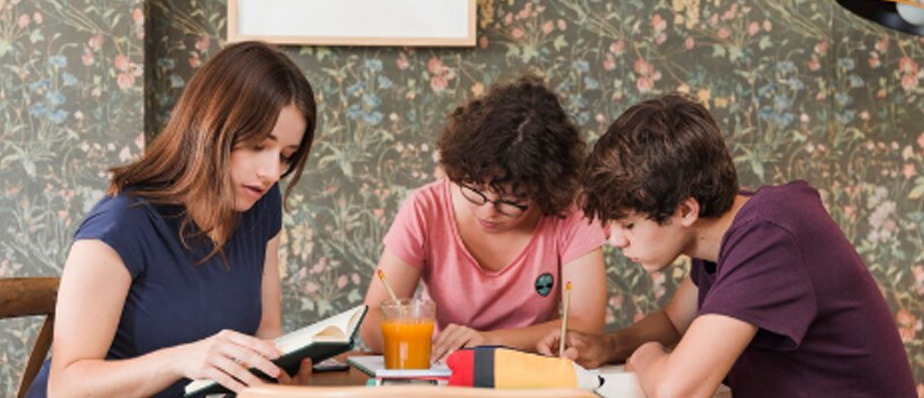
- Collaborative and interactive: Students work together on projects and engage in peer-to-peer learning.
- Focused on life skills: Emotional intelligence, leadership, and problem-solving are emphasized alongside academics.
- Global and inclusive: Learning incorporates cultural awareness and global citizenship.
When we speak about the child education in the 21st century learning environment, we're talking about nurturing children who are adaptable, emotionally intelligent, digitally literate, and socially responsible.
Why Child Education Is More Critical Than Ever
- Early Brain Development: Over 85% of brain development occurs by age five, making early education crucial to long-term learning, behavior, and adaptability.
- Foundation for Lifelong Learning: Skills like curiosity, persistence, and empathy built during childhood form the base for future success.
- Bridging the Inequality Gap: Access to quality early education reduces socioeconomic disparities and promotes equal opportunities.
- Building Global Citizens: Children raised in inclusive environments are better equipped to engage with global issues such as sustainability, diversity, and human rights.
Components of 21st Century Child Education
1. Technology and Digital Literacy
- Search for credible information
- Use digital tools responsibly
- Communicate effectively through online platforms
- Understand digital safety and etiquette
Children today are growing up in a digital world. They need to know how to:
2. Project-Based Learning
- Encourages deep learning
- Promotes collaboration
- Builds confidence
Students learn by doing. Whether it’s building a model, solving real-world problems, or starting a mini-business, this method:
3. Global Exposure
The world is their classroom. Children are now exposed to global ideas, virtual exchange programs, and even international competitions.
4. Social and Emotional Learning (SEL)
Learning empathy, resilience, mindfulness, and cooperation is just as vital as learning math or science.
5. Environmental and Ethical Responsibility
From eco-clubs to sustainability projects, children today are being raised as stewards of the planet.
Each of these pillars reinforces the child education in the 21st century learning environment, making children not just literate, but also compassionate and capable.
Conclusion
To succeed in the modern world, children need an education that is dynamic, inclusive, and future-oriented. The importance of child education in the 21st century learning environment lies in its power to shape responsible, innovative, and empathetic global citizens. For cities like Thane, embracing this shift is essential to prepare the next generation for lifelong success.



about us
Lorem ipsum dolor sit amet consectetur adipisicing elit. Voluptatem optio tempora quia iure quae. Soluta corporis quidem aperiam amet nihil.