


Historical Places in Thane: A Journey Through Time and Heritage
Listen to this article!
June 2025
T
hane, often referred to as the "City of Lakes," is a rapidly urbanizing district that rests on the threshold of Mumbai. But beyond the bustling roads and high-rises lies a treasure trove of history monuments, forts, temples, and ruins that whisper stories of bygone eras. The historical places in Thane are not just ancient structures; they are living relics that have survived colonial invasions, dynastic rule, and modern development. These sites serve as a window into the cultural and architectural legacy of the region and are well worth exploring.
In this article, we take you on an in-depth tour of the most notable historical places in Thane, diving into their origins, architectural features, legends, and why they matter in today's time.
1. Ghodbunder Fort: A Strategic Outpost on the Ulhas River
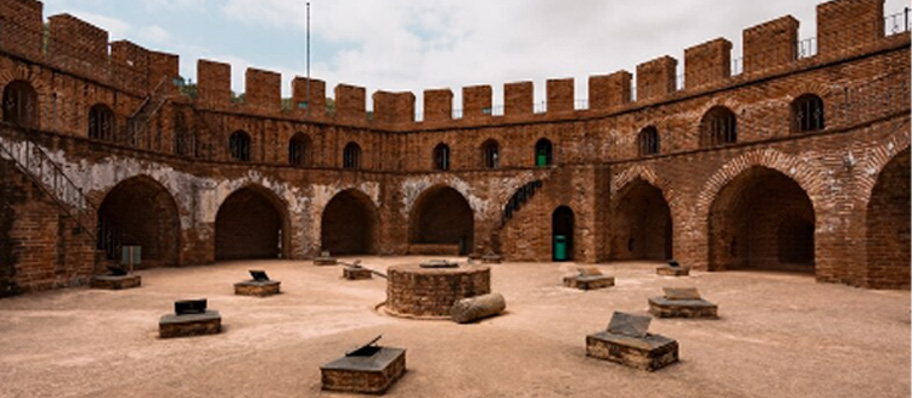
Perched near the Ulhas River in Thane West, Ghodbunder Fort is one of the most iconic historical landmarks in the city. Built by the Portuguese in the 16th century, this fort once served as a critical point for controlling maritime trade routes. The name 'Ghodbunder' comes from “ghoda” (horse) and “bunder” (port), suggesting that horses were traded through this port during colonial times. The fort later came under the control of the Marathas and was eventually captured by the British. Although the structure is partly in ruins today, the panoramic view it offers of the surrounding landscape makes it a favorite among trekkers and history enthusiasts. Restoration efforts are underway to preserve this significant part of historical places in Thane.
2. Kopineshwar Temple: The Spiritual Heart of Old Thane
Located near the bustling Talao Pali (Masunda Lake), Kopineshwar Temple is one of the oldest temples in the region, dating back to the Shilahara dynasty (9th–13th century). Dedicated to Lord Shiva, the temple showcases traditional Hemadpanthi architectural style and is considered the spiritual nucleus of ancient Thane. The temple complex is surrounded by other smaller shrines, each adding to the sanctity and historical significance of the site. The preservation of this temple reflects the deeply spiritual yet historically rooted culture of Thane. When discussing historical places in Thane, Kopineshwar Temple is an unquestionable highlight.
3. Durgadi Fort: A Fort with a Divine Legacy
Situated near Kalyan in Thane district, Durgadi Fort holds both strategic and religious importance. Named after Goddess Durga, the fort is believed to have been built during the reign of Chhatrapati Shivaji Maharaj. It served as a watchpost along the Kalyan Creek and played a vital role in Maratha naval strategy. Today, the fort houses a temple dedicated to the goddess, making it a hub of religious activity during festivals like Navratri. Its historical legacy and spiritual energy make it one of the most unique historical places in Thane.
4. Kelwa Fort (Kelve Fort): A Coastal Sentinel
About 80 km from Thane city lies Kelwa Fort, also known as Kelve Fort. Though lesser-known, this structure was initially built by the Portuguese and later taken over by the Marathas. It served as a coastal defense post and has witnessed various battles over centuries. Its proximity to Kelwa Beach makes it a perfect blend of nature and history. The fort is currently in ruins, but many of its walls and bastions still stand, offering visitors a glimpse into the colonial past. Among the lesser-explored historical places in Thane, Kelwa Fort offers an offbeat yet enriching experience.
5. St. John the Baptist Church: A Portuguese Ruin with a Story
Nestled inside the premises of Tata Institute of Social Sciences (TISS), near Upvan Lake, are the ruins of St. John the Baptist Church. Built in 1579 by Portuguese Jesuits, this church was abandoned after a plague outbreak in the 19th century. Today, only a portion of its stone walls and archways remain, hidden amidst the greenery. Though not open to the general public, the church is an essential chapter in the colonial narrative of Thane. It is a lesser-known but deeply symbolic entry in the list of historical places in Thane.
6. Masunda Lake (Talao Pali): A Historical Urban Oasis
Masunda Lake, popularly known as Talao Pali, is not just a recreational spot but also part of Thane’s historical and cultural landscape. Located in the city center, the lake has existed for centuries and was historically used for domestic water needs and religious rituals. Surrounding the lake are various heritage temples and colonial-era structures, making it a symbolic location that merges natural beauty with history. Many community events and public gatherings still take place here, highlighting its enduring social relevance.
7. Bassein Fort (Vasai Fort): A Neighboring Gem
Though technically in the neighboring Palghar district, Vasai Fort also known as Bassein Fort—is often included in tours of historical places in Thane due to its close proximity and shared heritage. Constructed by the Portuguese and later overtaken by the Marathas, this massive structure features bastions, churches, watchtowers, and arched gates. Its expansive grounds are popular with filmmakers, photographers, and history buffs alike. The fort is one of the best-preserved Portuguese forts in Western India and tells the tale of maritime dominance and resistance in colonial times.
8. Tembhi Naka and Old Thane Quarters: Streets of History
Beyond forts and temples, the very streets of Old Thane especially areas like Tembhi Naka—are rich in history. Old stone houses, narrow winding lanes, and ancient wells still exist, providing a vivid picture of life in earlier centuries. These heritage quarters are slowly being modernized, but they remain one of the most authentic reflections of how Thane has evolved. Documenting and preserving these areas is crucial to honoring the historical places in Thane.
Final Thoughts
The historical places in Thane are not just remnants of the past; they are active participants in the city's present and future. They speak of resilience, craftsmanship, faith, and community. From forts like Ghodbunder and Durgadi to sacred spaces like Kopineshwar Temple, each site contributes to Thane’s rich narrative. As Thane continues to grow as a modern metro, integrating heritage into urban life will be essential. It will ensure that while the city moves forward, it never forgets where it came from.



about us
Lorem ipsum dolor sit amet consectetur adipisicing elit. Voluptatem optio tempora quia iure quae. Soluta corporis quidem aperiam amet nihil.